


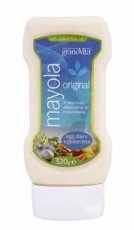
Red and white quinoa, chestnuts, black olives, red onion, sundried tomatoes with yummy Mayola egg and dairy free mayonnaise.

I'm sorry but horses are majestic animals that helped the creation of empires, sheep and cows are docile bags of raw ingredients for delicious foods or something to model sprites on. It is morally reprehensible to replace beef with horse meat or chicken with rabbit meat or pork with camel meat. Regardless of the nutritional value for some cultures it is just plain wrong. Secondly, how safe it is would relate to the age/condition of the horses slaughtered and given the source locations that doesn't instill with me with confidence that they are high quality cuts produced by the hands of master butchers in Parispogo wrote:You've clearly run out of arguments but your picture raises a good example: horse meat. Remember the recent kerfuffle over it? It was striking how much fuss there was as horse meat is very safe, safer and healthier than beef. In particular:(o)(o) wrote:LOL! Good one!!
In what other product would essentially a mislabelling/preference problem rise to the level of an international incident? Horse meat is safe, so it wasn't that. There was concern perhaps if the meat were being deliberately mislabelled then there could be other illegal practices but nothing was found. But it shows the reach and power of the EU when it needs to act on food issues.
What other product category would be subject to such genetic testing? Can you imagine someone routinely testing leather shoes or handbags to make sure they were made from cows? Even if they did, or found out some other way that other animals had been used, it would not have had the same impact; the reputation of the firm might have suffered but it would not rise to the level of a national scandal/international incident.


Rabbit? The only reason we have rabbits in this country is they were brought by the Romans for food. They're 'docile bags of raw ingredients' too. But as the last sentence quoted above suggests it's mostly cultural. Some cultures have a strong aversion to pork (unclean to Jews and Muslims) or beef (cows are holy to Hindus). Some avoid meat altogether. It comes down to your own choices, strongly influenced by culture and society. If you'd been brought up eating horse and could buy it in Tesco today I doubt you'd have a problem with it.llamaprotector wrote:I'm sorry but horses are majestic animals that helped the creation of empires, sheep and cows are docile bags of raw ingredients for delicious foods or something to model sprites on. It is morally reprehensible to replace beef with horse meat or chicken with rabbit meat or pork with camel meat. Regardless of the nutritional value for some cultures it is just plain wrong.


Ok. The concept of egg-free mayonnaise is about as absurd as hydrogen-free water, but that's not even the strangest bit. What sort of mayo does have dairy? It's like advertising "gluten-free" rice cakes.
It tastes in ballpark of mayonnaise! Better, IMO.ThetaReactor wrote:Ok. The concept of egg-free mayonnaise is about as absurd as hydrogen-free water,
Some mayo has cream in it.ThetaReactor wrote:What sort of mayo does have dairy? It's like advertising "gluten-free" rice cakes.
"A delicious egg and dairy-free alternative to mayonnaise".To be fair it's not mayonnaise and they don't advertise it as such.
It's sunflower and flax oil 'based'. Ingredients: Water, Sunflower Oil (40%), Flaxseed Oil (5%), Apple Juice Concentrate (5%), Modified Maize Starch, Soya Protein (1.4%), Salt, Acidity Regulators (Acetic Acid, Citric Acid), Stabiliser (Xanthan Gum), Mustard Flour.I dunno, it may taste nice though I'm a bit sceptical given it's apple juice based.
But I would have a problem with it (I didn't eat rabbit as a kid when my parents cooked it for example).pogo wrote:Rabbit? The only reason we have rabbits in this country is they were brought by the Romans for food. They're 'docile bags of raw ingredients' too. But as the last sentence quoted above suggests it's mostly cultural. Some cultures have a strong aversion to pork (unclean to Jews and Muslims) or beef (cows are holy to Hindus). Some avoid meat altogether. It comes down to your own choices, strongly influenced by culture and society. If you'd been brought up eating horse and could buy it in Tesco today I doubt you'd have a problem with it.llamaprotector wrote:I'm sorry but horses are majestic animals that helped the creation of empires, sheep and cows are docile bags of raw ingredients for delicious foods or something to model sprites on. It is morally reprehensible to replace beef with horse meat or chicken with rabbit meat or pork with camel meat. Regardless of the nutritional value for some cultures it is just plain wrong.
Exactly. They can't advertise it as mayo for the same reasons "I Can't Believe It's Not Butter" is called what it is.(o)(o) wrote:"A delicious egg and dairy-free alternative to mayonnaise".To be fair it's not mayonnaise and they don't advertise it as such.
Take the acidity out and it'll just taste like fat. Apple juice is supplying the acidity here.(o)(o) wrote:It's sunflower and flax oil 'based'. Ingredients: Water, Sunflower Oil (40%), Flaxseed Oil (5%), Apple Juice Concentrate (5%), Modified Maize Starch, Soya Protein (1.4%), Salt, Acidity Regulators (Acetic Acid, Citric Acid), Stabiliser (Xanthan Gum), Mustard Flour.I dunno, it may taste nice though I'm a bit sceptical given it's apple juice based.
What.. like this ?gravy wrote:Exactly. They can't advertise it as mayo for the same reasons "I Can't Believe It's Not Butter" is called what it is.

Nigel Slater uses cream in some of his Mayo recipes, for example.gravy wrote:I think I'll stick with egg and er.. dairy? based mayonnaise ta
There's loads of "egg-free mayonnaise" products sold in the UK.gravy wrote:I'm not entirely sure that's legal.
I'd always assumed that's how salad cream came about, but apparently that's got egg in it as well…ThetaReactor wrote:My point is that calling something without eggs "mayonnaise" is like calling something without grains "beer". It's kind of an integral part of the food.


